Nakami-jiru (中身汁 (nakami-jiru))
Overview
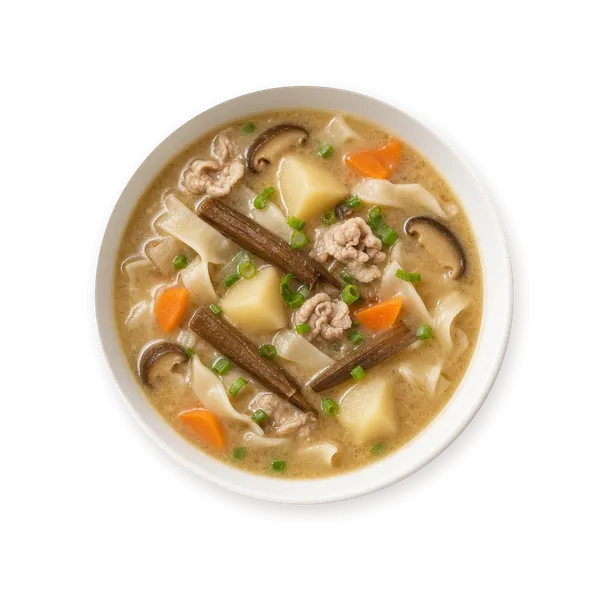
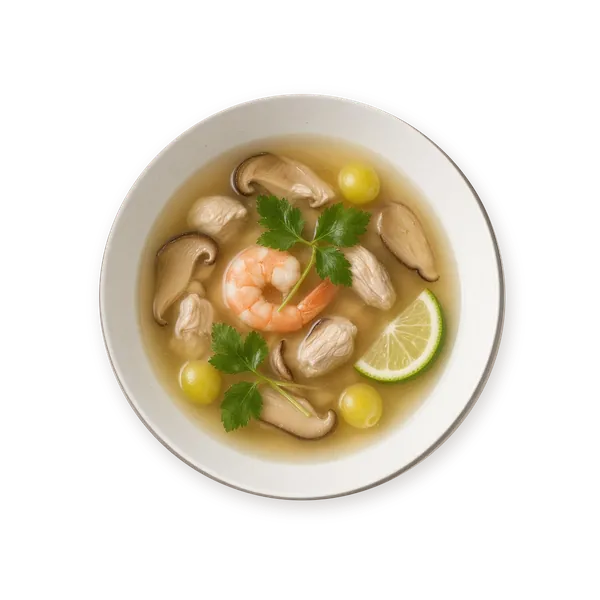
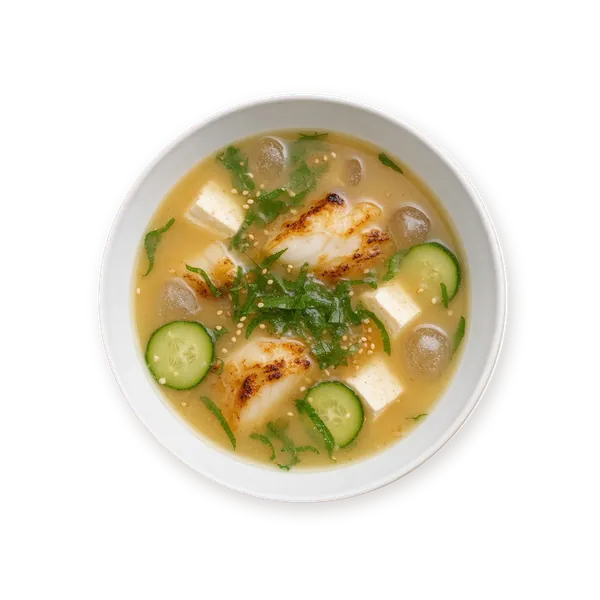
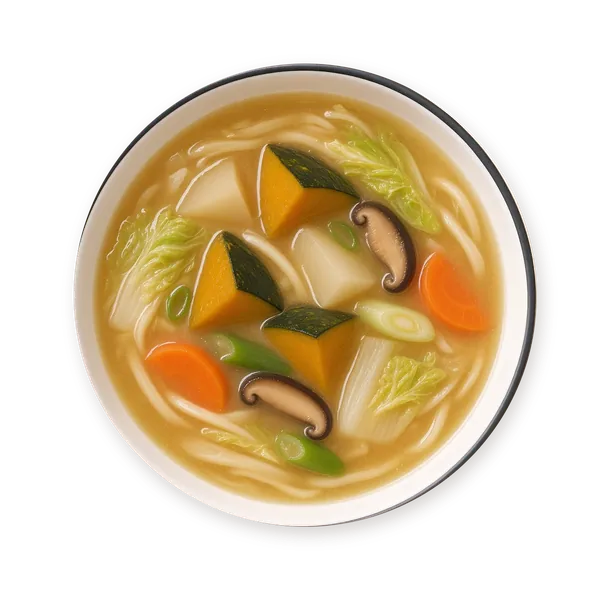
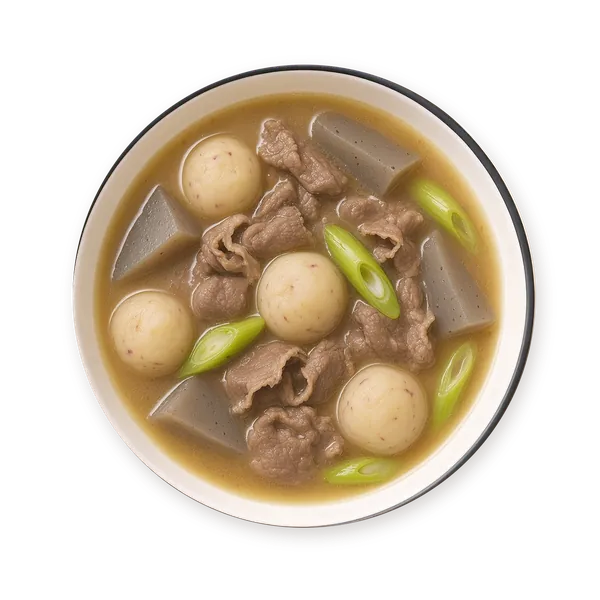
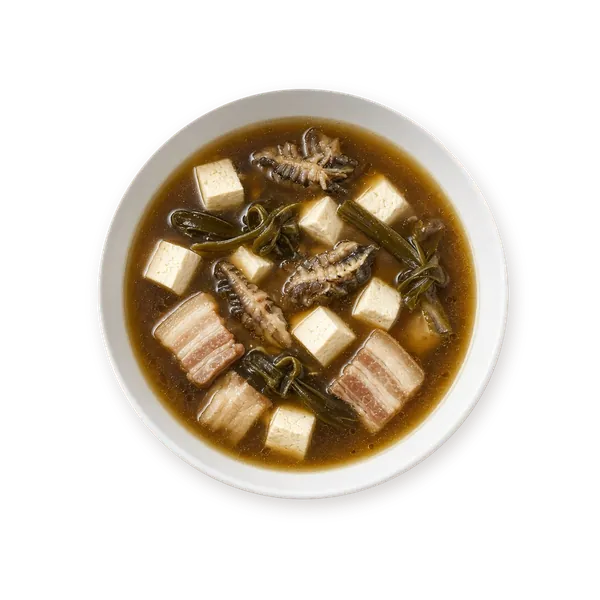
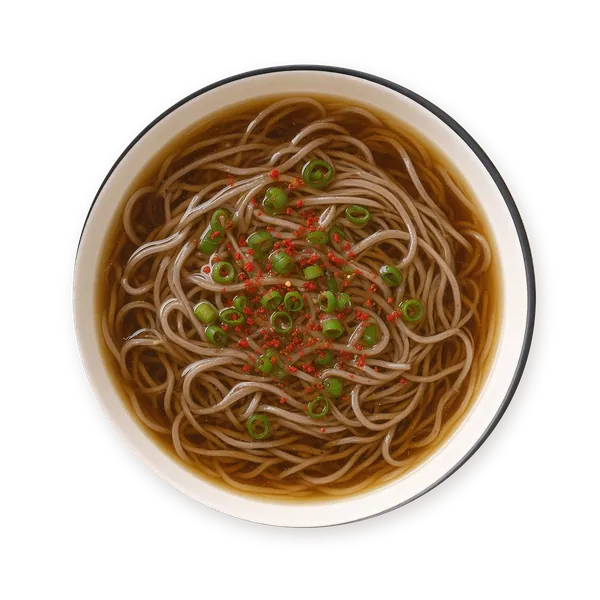
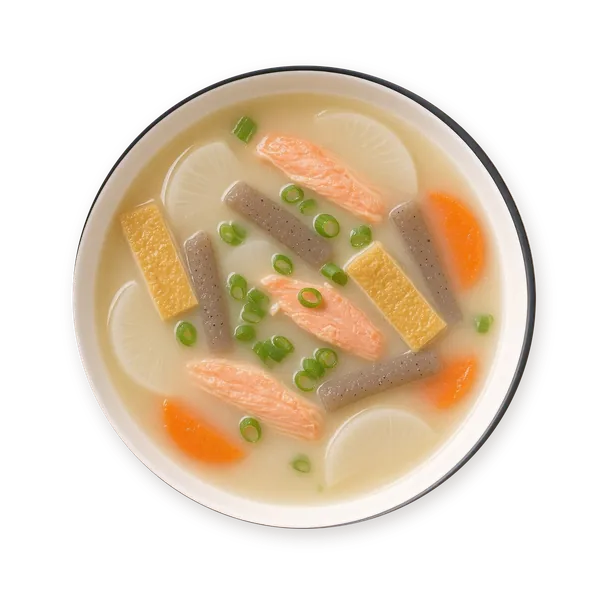
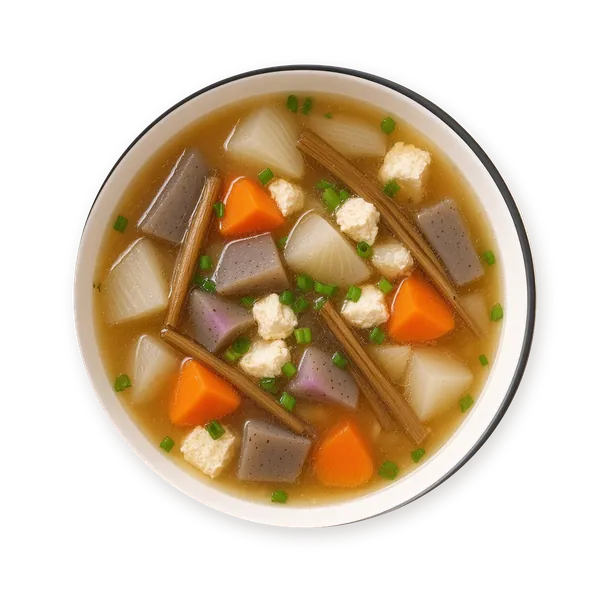
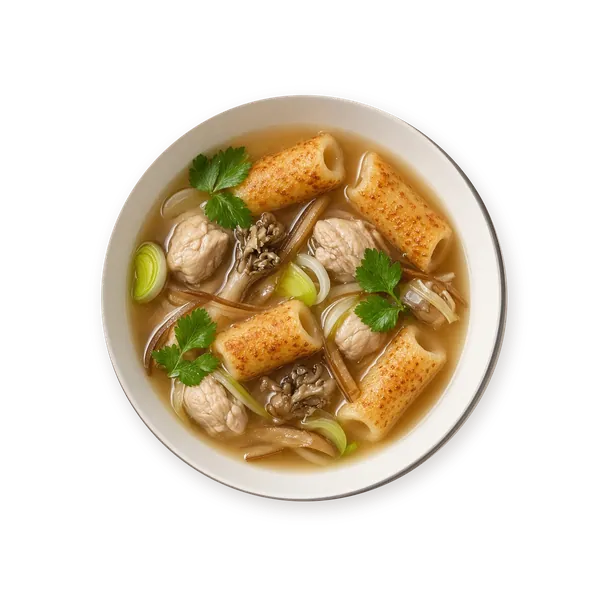
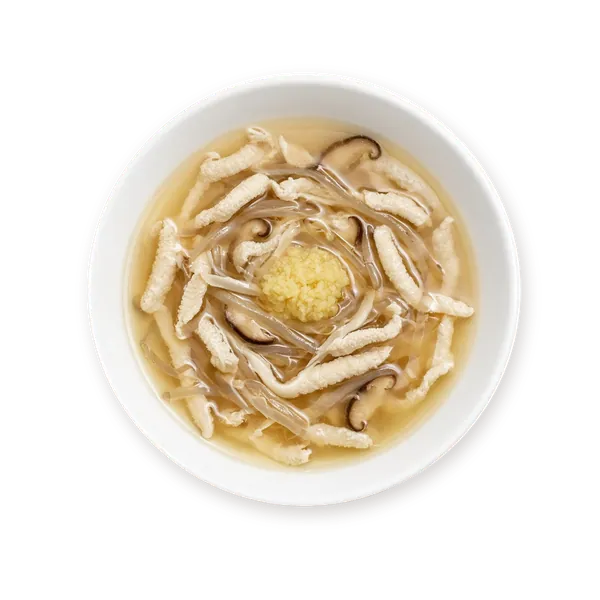
Nakami-jiru is an Okinawan clear soup of pork offal. Nakami means the contents, and refers to the pig's insides, above all the small intestine and stomach. They are cleaned with great care, rubbed and boiled several times so that almost none of their strong flavour is left, and cut into strips. The soup itself is a clear broth of katsuobushi, the dried bonito that is central to Okinawan cooking, seasoned with salt and a little soy sauce. The offal simmers in it with sliced shiitake and strips of konjac, and grated ginger goes on top. It is enjoyed for its clean broth and the bite of the tender offal.
History
In old Okinawa, families slaughtered a pig at the end of the year to prepare for the New Year, and nakami-jiru, made from the fresh offal, was the festive soup that zōni is on the Japanese mainland. It is still an essential part of the New Year in Okinawan homes, and it is also served at celebrations. The same offal is put on top of Okinawa soba noodles to make nakami soba.
Main ingredients
Pork intestine, pork stomach, bonito dashi, shiitake, konjac, ginger. The soup is built on clear dashi with tender pork offal and is usually served hot. Diet: contains meat; not usually gluten-free.
Explore: Pork soups · More soups from Japan
Recipe
Method
- 110 min
Boil the offal for 10 minutes, drain, rub with salt and rinse well, then repeat two or three times.
- 2
Simmer the offal in fresh water for 1 to 1½ hours until tender, then cut into thin strips.
- 3
Bring the dashi to a simmer with the shiitake and konjac.
- 410 min
Add the offal and season with salt and soy sauce; simmer for 10 minutes.
- 5
Serve with a little grated ginger on top.
- ✓
Serve. About 2h 40m from start to bowl.
In short: Nakami-jiru is a meat soup from Japan, in East Asia, made mainly with pork intestine, pork stomach and bonito dashi. It contains meat and is usually served hot.
Sources
Description, history and recipe written by SoupWiki and checked against the sources above. Calories and times are rough estimates.