Irabu-jiru (イラブー汁 (irabū-jiru))
Overview
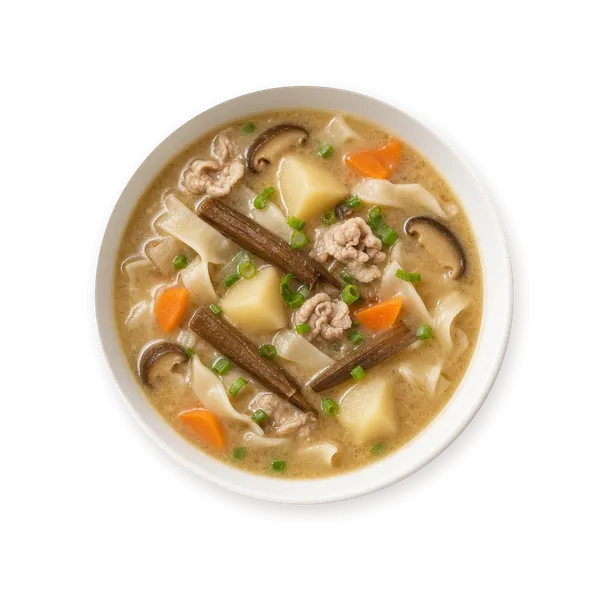
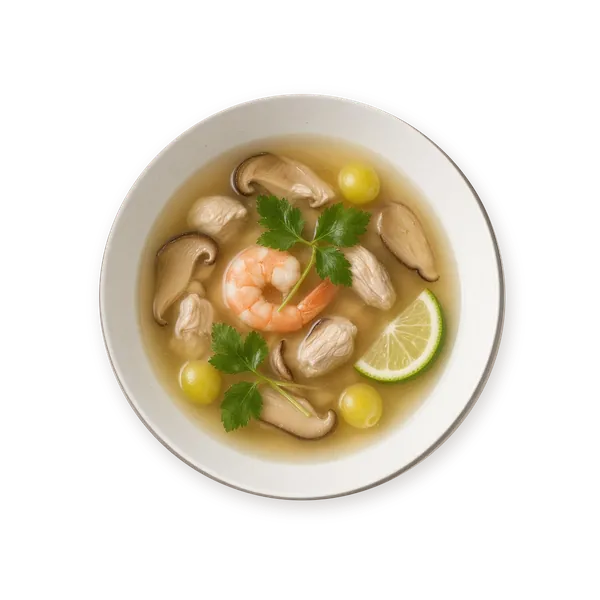
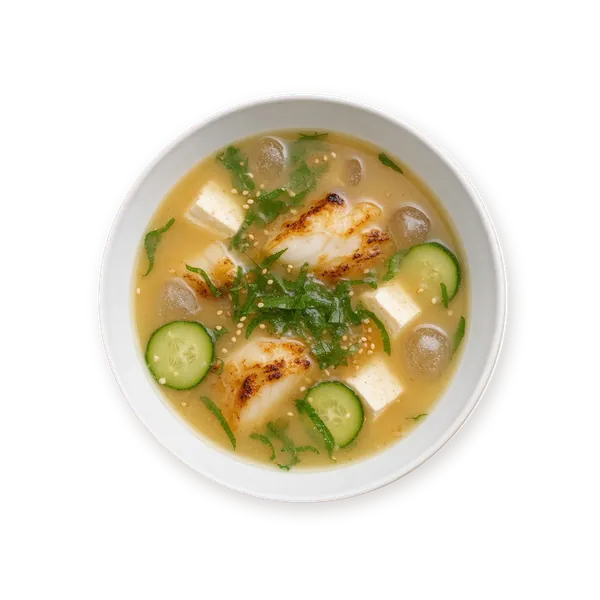
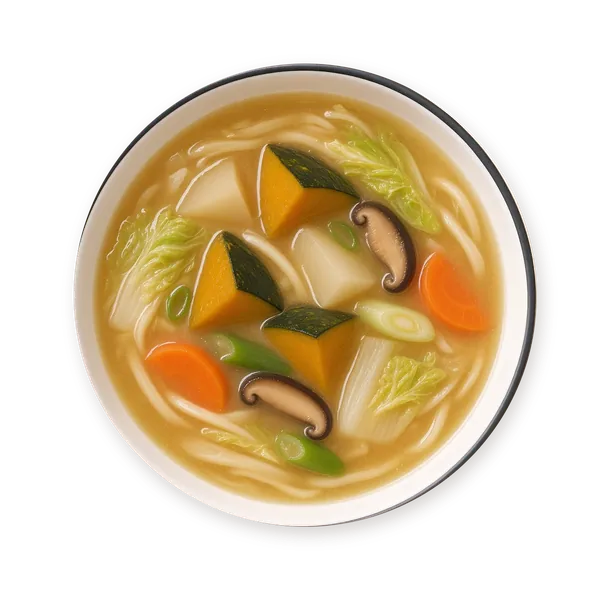
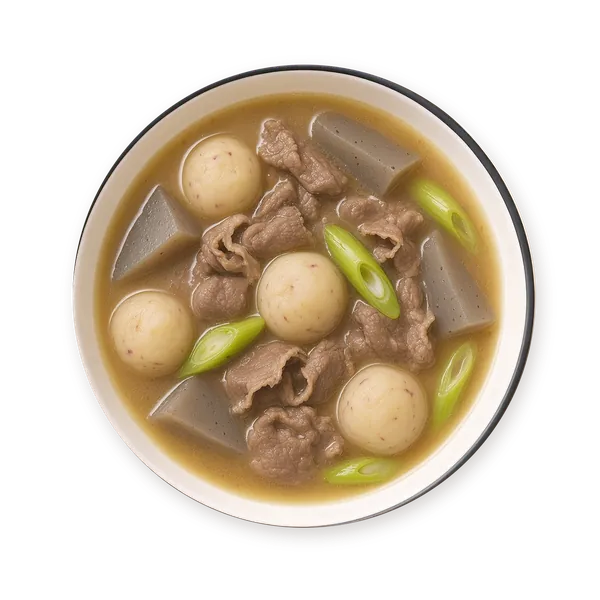
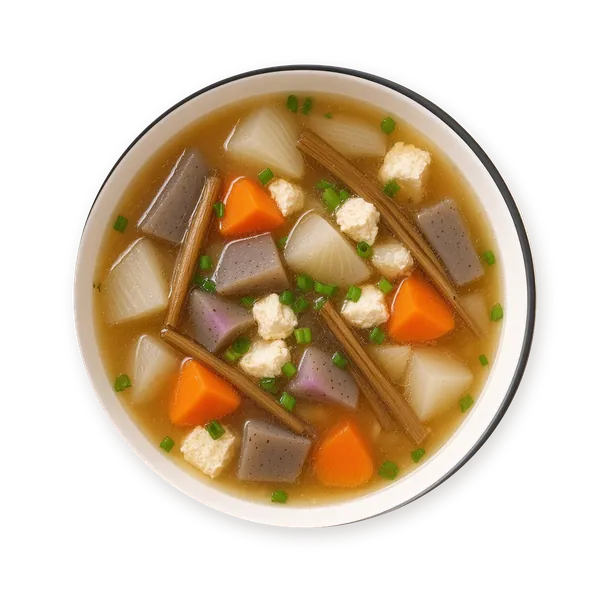
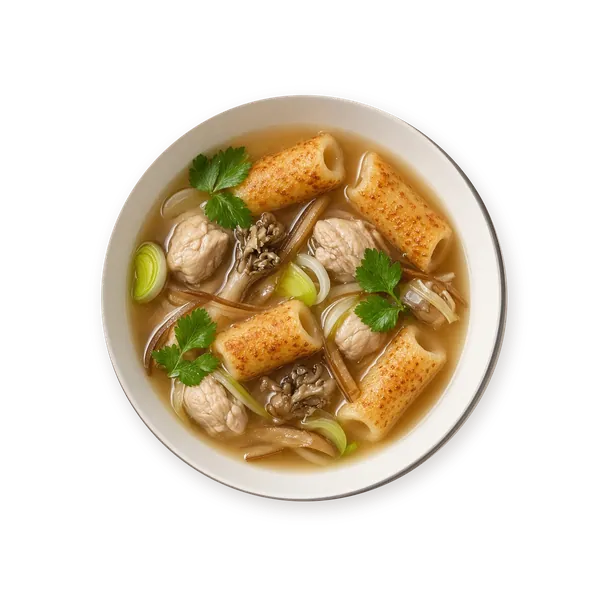
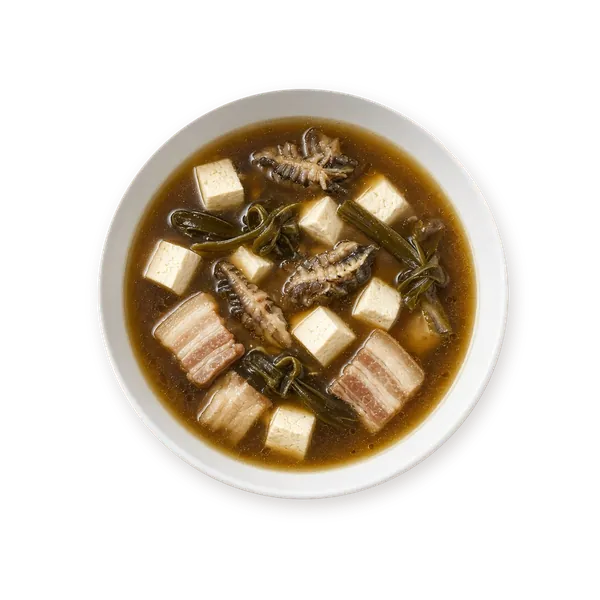
Irabu-jiru is an Okinawan soup of irabu, the smoked and dried Erabu sea krait, a banded sea snake of the warm western Pacific. The snakes are smoked until they are hard and dry, which keeps them for a long time, and before cooking they are soaked and simmered for hours until soft, giving a deep, smoky stock. The soup is then made in that stock with pieces of pork, cubes of shima-dofu, the firm island tofu of Okinawa, knotted kombu and wild greens, and seasoned with salt and a little soy sauce. It takes a long time to make and is now mostly eaten in specialist restaurants in Okinawa.
History
Irabu-jiru comes down from the court cooking of the Ryukyu Kingdom, and in the past it was a luxury that ordinary people rarely tasted. Traditionally only the noro, the priestesses who led religious rites, held the right to catch the sea kraits when they came ashore to lay their eggs, and this was done on Kudaka Island. In Okinawa the soup is still traditionally cooked for women after childbirth and for people recovering from illness.
Main ingredients
Smoked sea krait, pork, island tofu, kombu, wild greens. The soup is built on smoky sea snake and kelp broth and is usually served hot. Diet: contains meat; not usually gluten-free.
Explore: Pork soups · Spinach and greens soups · More soups from Japan
Recipe
Method
- 14 h
Scrub the soaked irabu and simmer in plenty of water for 3 to 4 hours, topping up the water, until soft.
- 2
Lift out the irabu, cut it into pieces and keep the stock.
- 31 h
Simmer the pork in the stock with the kombu knots for 1 hour.
- 4
Add the irabu, tofu and greens and season with salt and soy sauce.
- 510 min
Simmer for 10 minutes and serve.
- ✓
Serve. About 5h 30m from start to bowl.
In short: Irabu-jiru is a meat soup from Japan, in East Asia, made mainly with smoked sea krait, pork and island tofu. It contains meat and is usually served hot.
Sources
- %E3%82%A4%E3%83%A9%E3%83%96%E3%83%BC%E6%B1%81 (Wikipedia)
- Laticauda semifasciata (Wikipedia)
- Okinawan cuisine (Wikipedia)
Description, history and recipe written by SoupWiki and checked against the sources above. Calories and times are rough estimates.