Millecosedde (Millecosedde)
Overview
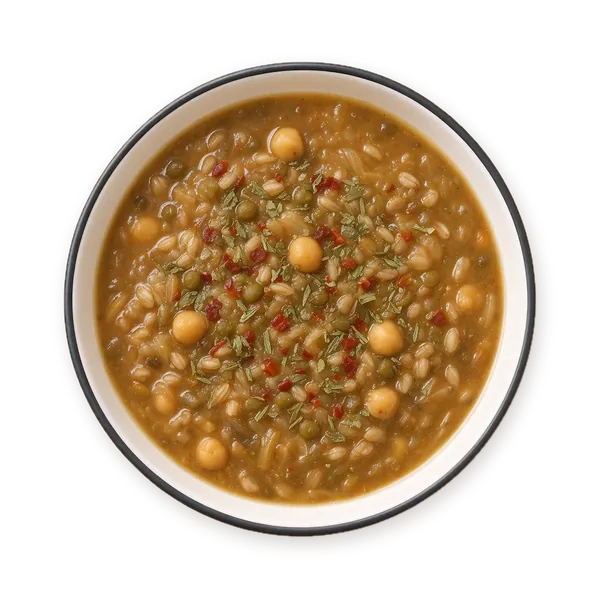
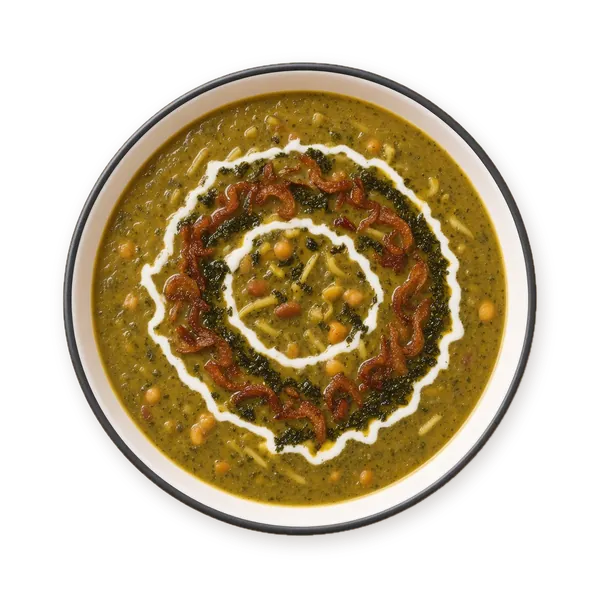
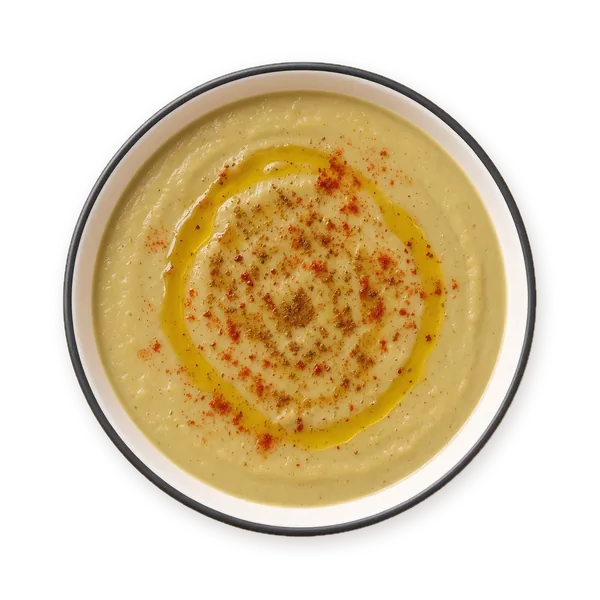
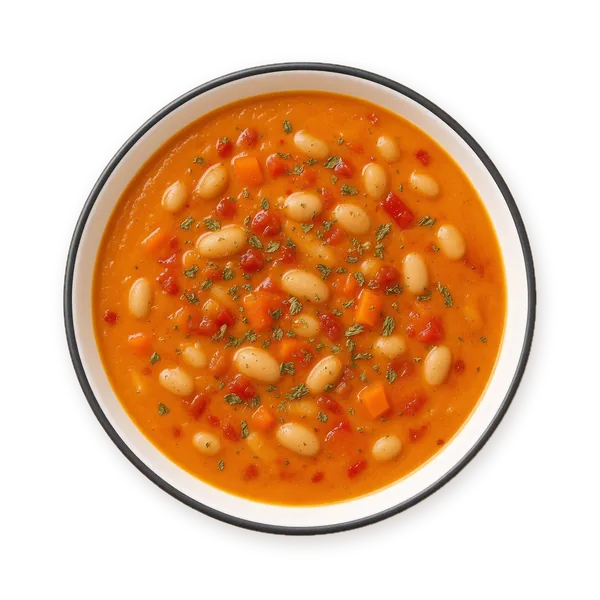
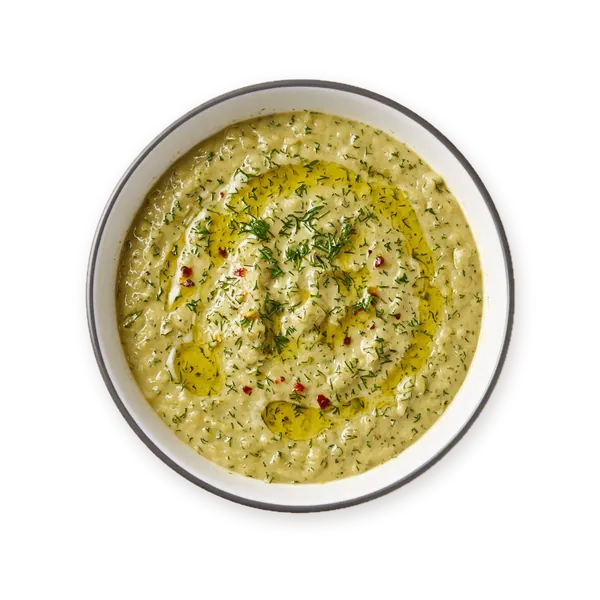
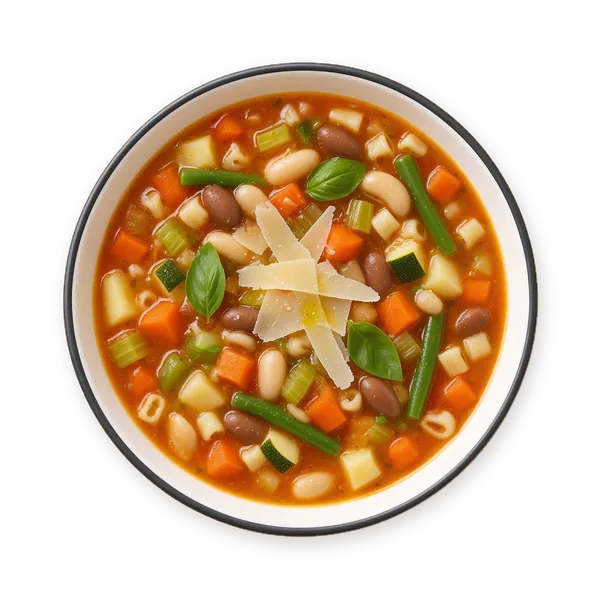
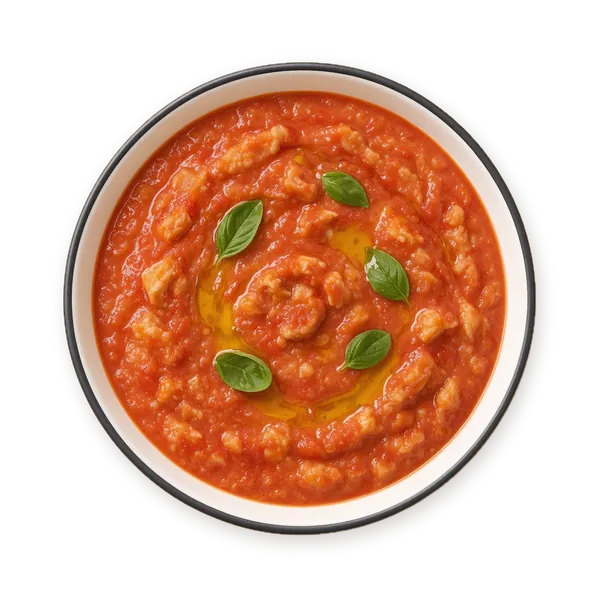
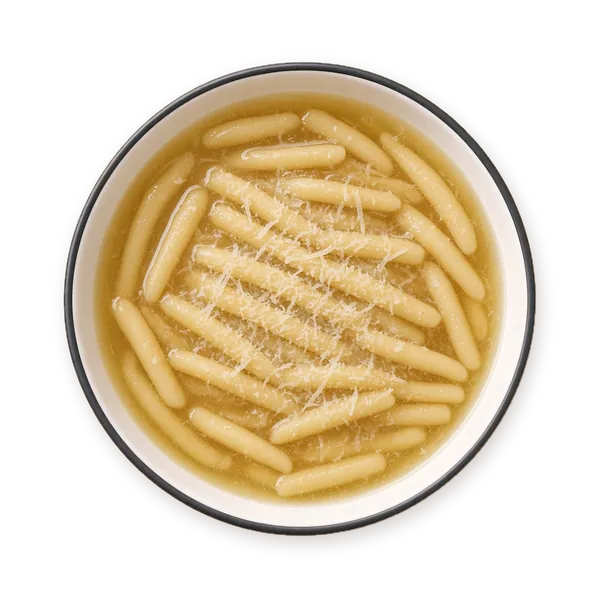
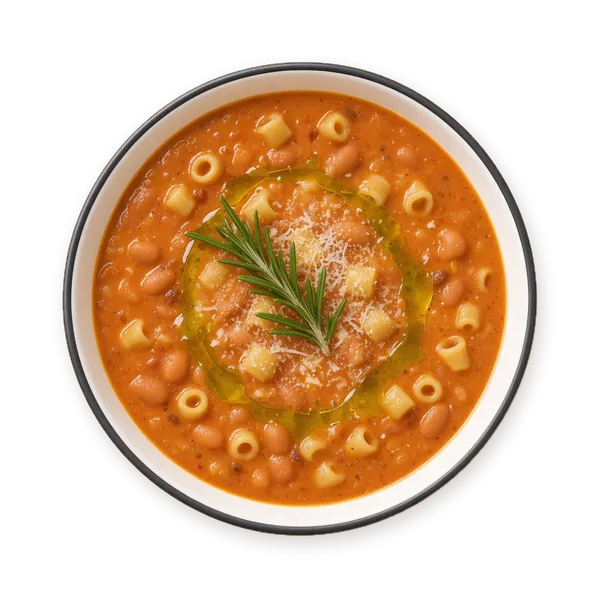
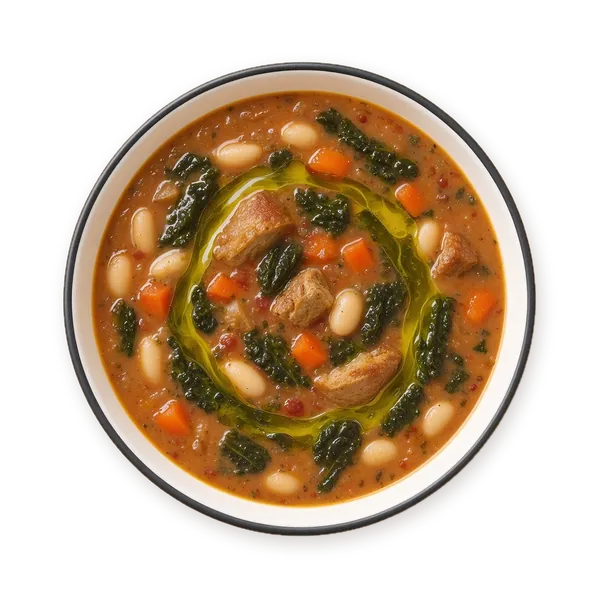
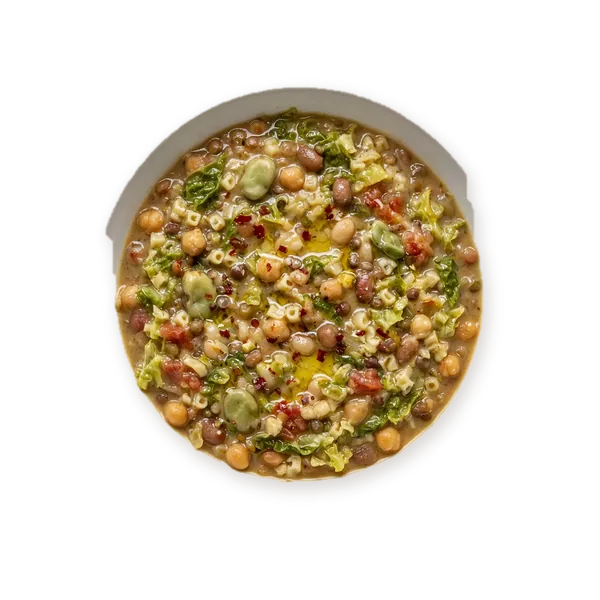
Millecosedde is a thick legume soup from Calabria in southern Italy. Its name means a thousand little things, because it contains many kinds of dried pulses, such as chickpeas, borlotti or cannellini beans, lentils and dried broad beans, soaked and cooked slowly together. Onion, celery, carrot, tomato and Savoy cabbage are added, along with dried mushrooms in many recipes, and everything is simmered until thick and creamy. A little short pasta such as ditalini is cooked in the soup at the end. Around Cosenza it is made with vegetables only, while elsewhere pork rind or pancetta is added for flavour. It is served with a swirl of olive oil and chilli.
History
Millecosedde is a peasant soup of the Calabrian countryside, especially the inland areas around Catanzaro and Cosenza. Its thousand little things were the small amounts of different pulses, grains and leftover pasta shapes left in the family pantry, all cooked together in one pot so that nothing was wasted. It was traditionally cooked slowly in a terracotta pot, and every village and family has its own mix of ingredients.
Main ingredients
Chickpeas, beans, lentils, dried broad beans, savoy cabbage, short pasta. The soup is built on legume broth and is usually served hot. Diet: vegan; not usually gluten-free.
Explore: Lentil soups · Chickpea soups · Bean soups · Cabbage soups · More soups from Italy
Recipe
Method
- 11 h 30 min
Cook the chickpeas, beans and broad beans in 3 l water for 1 hour 30 minutes.
- 2
Fry the onion, celery and carrot in half the oil, add the tomatoes and add to the pot with the lentils, cabbage and mushrooms.
- 340 min
Simmer for 40 minutes, until the soup is thick and creamy.
- 4
Add the pasta and cook until tender, adding water if needed.
- 5
Season and serve with the rest of the oil and chilli.
- ✓
Serve. About 2h 50m from start to bowl.
Sources
Description, history and recipe written by SoupWiki and checked against the sources above. Calories and times are rough estimates.