
Buddha Jumps Over the Wall (佛跳墙 (Fó tiào qiáng))
Overview
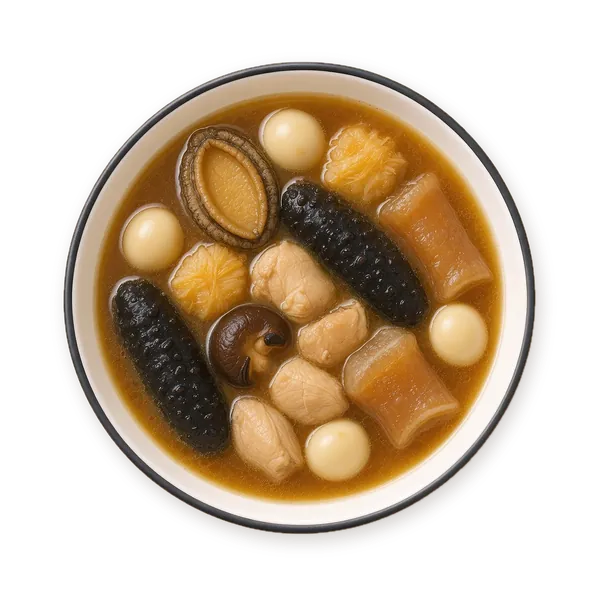
Buddha Jumps Over the Wall is a famous luxury soup of Fuzhou in Fujian province and one of the best-known dishes of Min cuisine. Many costly ingredients are prepared one by one, often over two days: abalone, sea cucumber, dried scallops, fish maw, quail eggs, chicken, duck, Jinhua ham, pork tendon, mushrooms and bamboo shoots. Traditionally shark fin was included, but many cooks now leave it out. Everything is layered in a ceramic Shaoxing wine jar with a rich stock and wine, sealed and simmered slowly for many hours. The broth becomes deep and rich, and the jar is opened at the table.
History
The soup is said to have been created in the late Qing dynasty, around 1876, and the Juchunyuan restaurant in Fuzhou claims it as its own. The name comes from a story that its smell was so tempting that a Buddhist monk, who should eat no meat, jumped over the temple wall to taste it. It is served at banquets and for Chinese New Year as a symbol of wealth.
Main ingredients
Abalone, sea cucumber, dried scallops, chicken, pork tendon, shaoxing wine. The soup is built on rich chicken and pork stock and is usually served hot. Diet: contains meat; not usually gluten-free.
Explore: Chicken soups · Pork soups · Cucumber soups · More soups from China
Recipe
Method
- 1
Blanch the chicken, pork and ham, then brown them lightly with the ginger.
- 2
Layer the meat, bamboo shoots, mushrooms, scallops, fish maw, abalone and sea cucumber in a heavy clay pot.
- 3
Pour over the stock and wine, season with soy sauce, sugar and salt, and add the quail eggs.
- 46 h
Seal the pot with foil and a lid and cook very gently in a low oven or steamer for 5 to 6 hours.
- 5
Bring the pot to the table and open it there.
- ✓
Serve. About 8 h from start to bowl.
Sources
Description, history and recipe written by SoupWiki and checked against the sources above. Calories and times are rough estimates.
Similar soups
More from China
 Bird's Nest Soup China
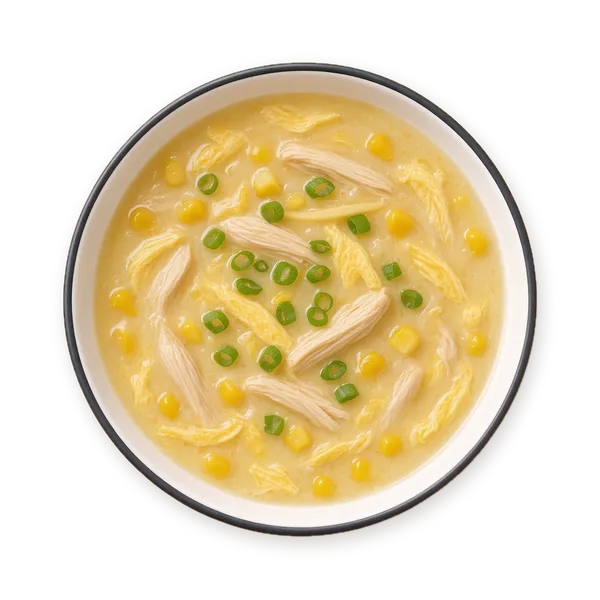 Chinese Sweetcorn Soup China
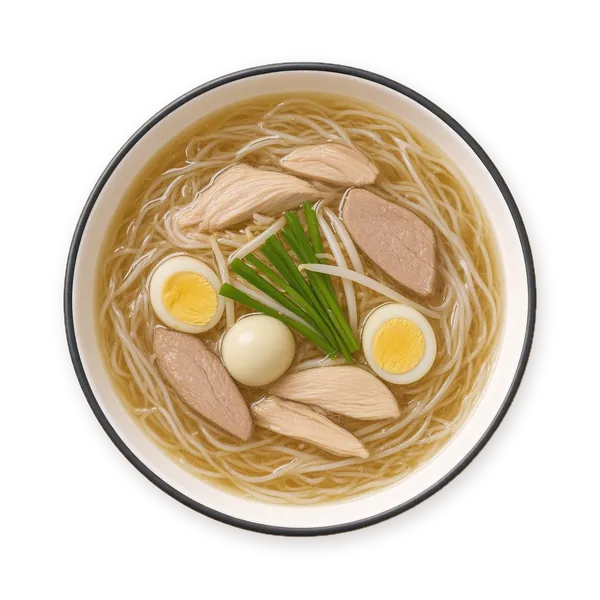 Crossing-the-Bridge Noodles China
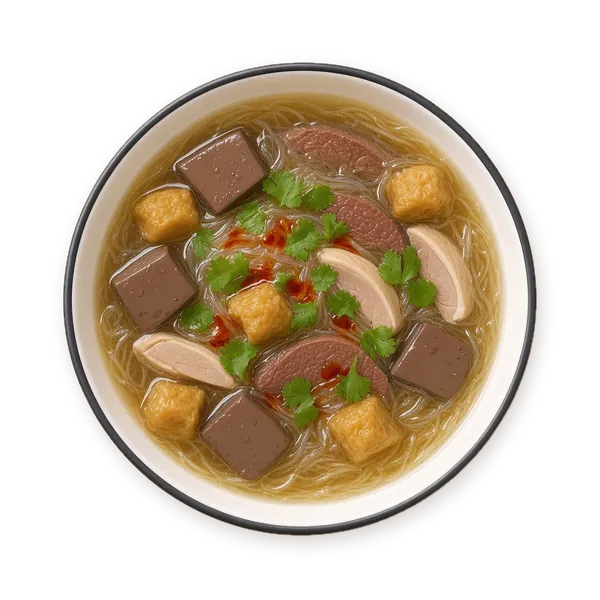 Duck Blood and Vermicelli Soup China
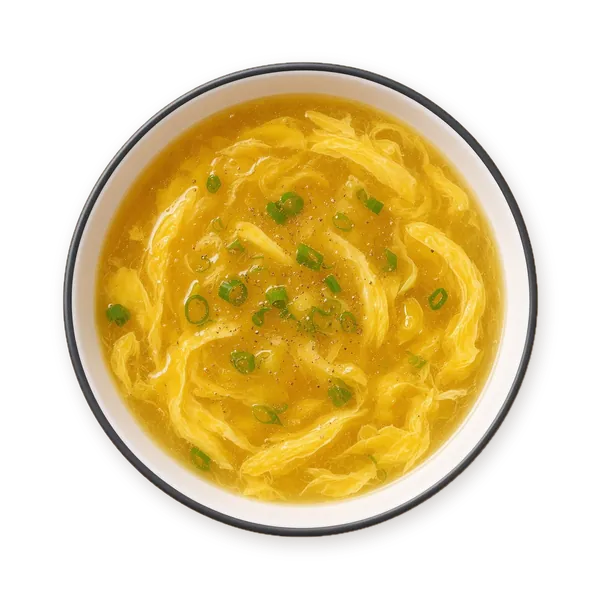 Egg Drop Soup China
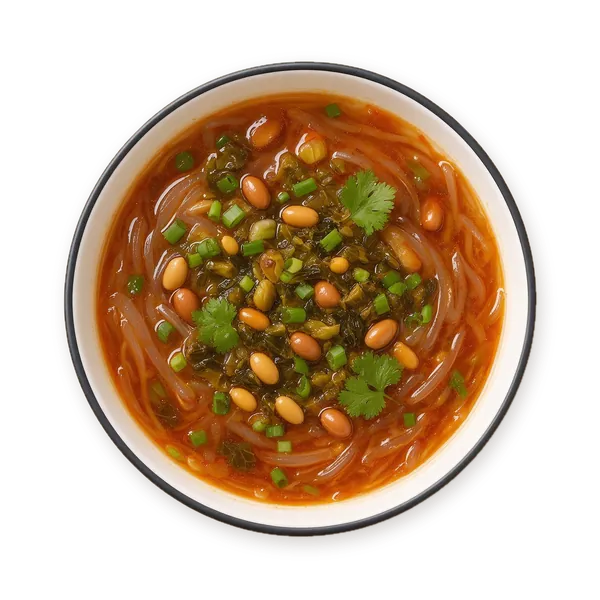 Hot and Sour Glass Noodle Soup China
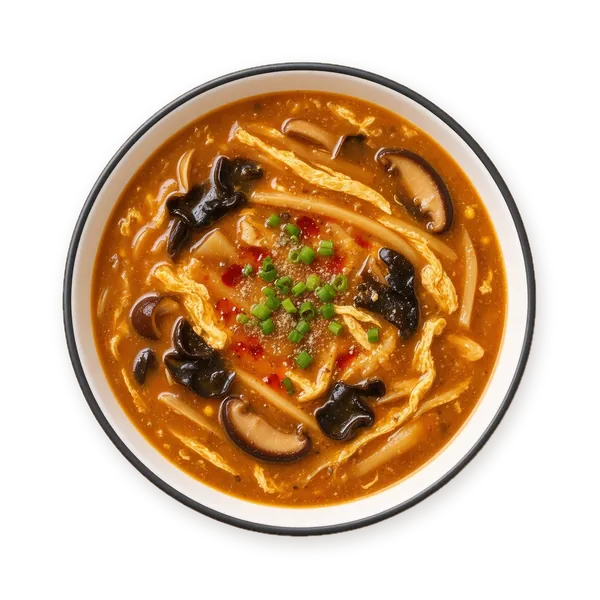 Hot and Sour Soup China
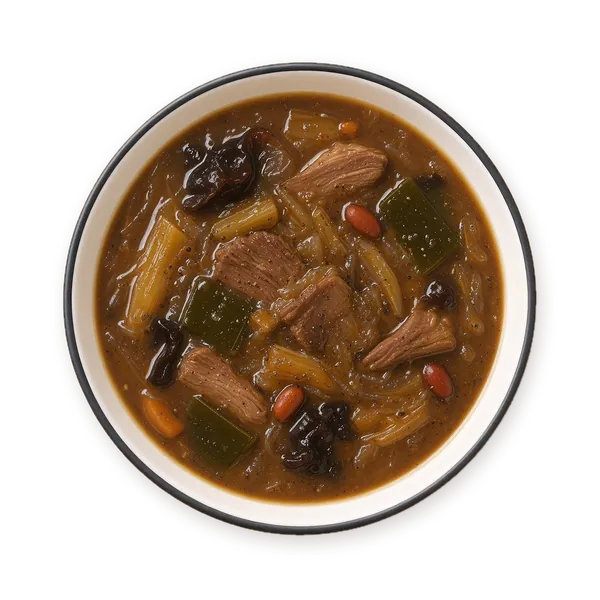 Hulatang China
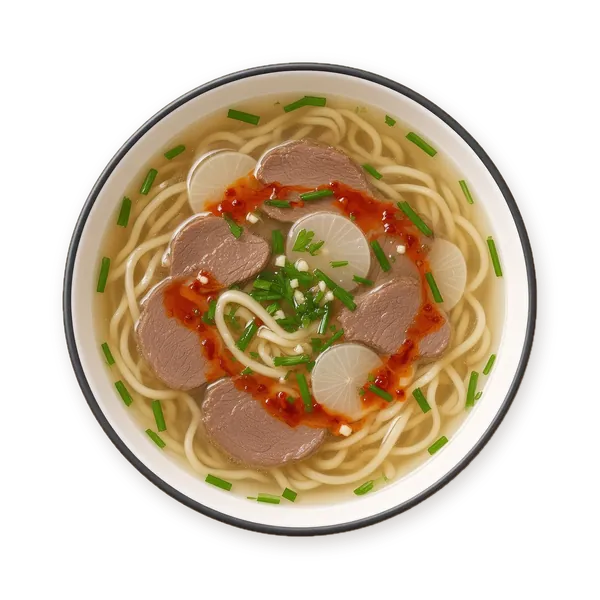 Lanzhou Beef Noodle Soup China
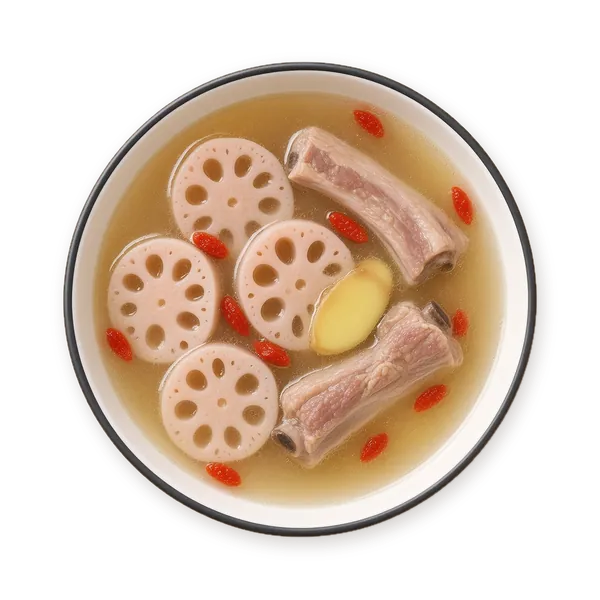 Lotus Root and Pork Rib Soup China
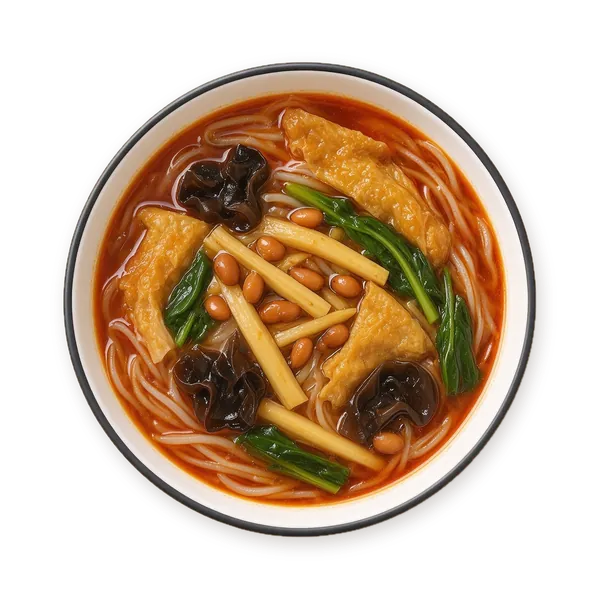 Luosifen China
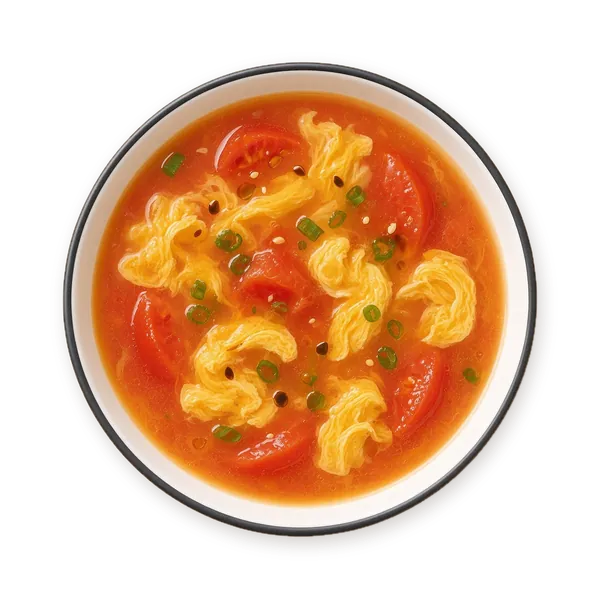 Tomato Egg Drop Soup China
- All soups from China →