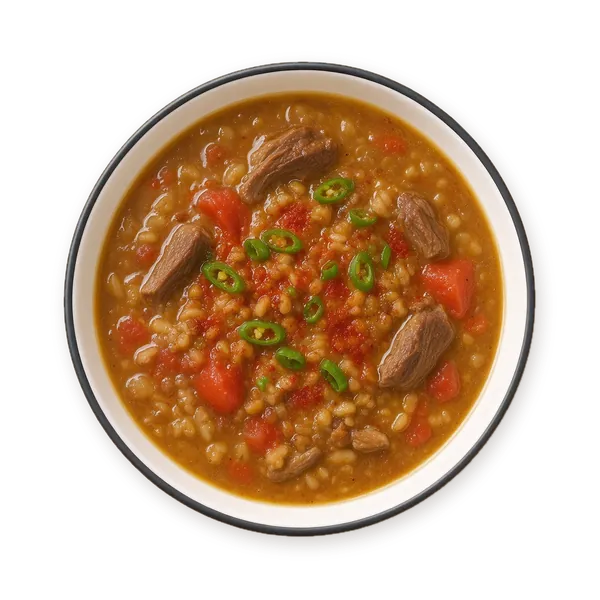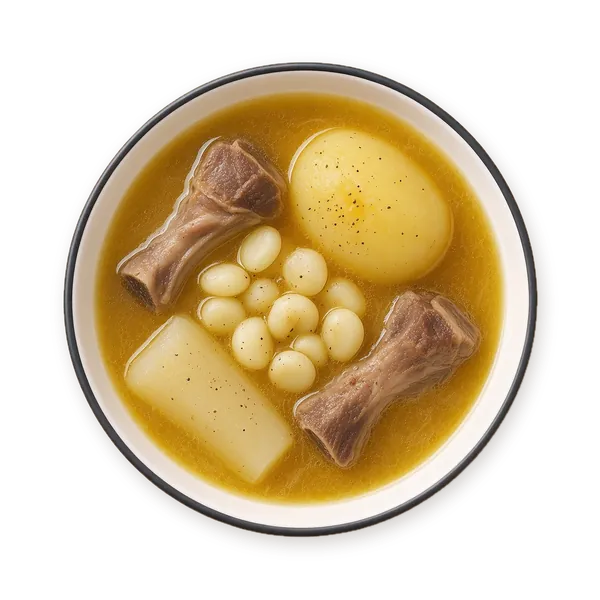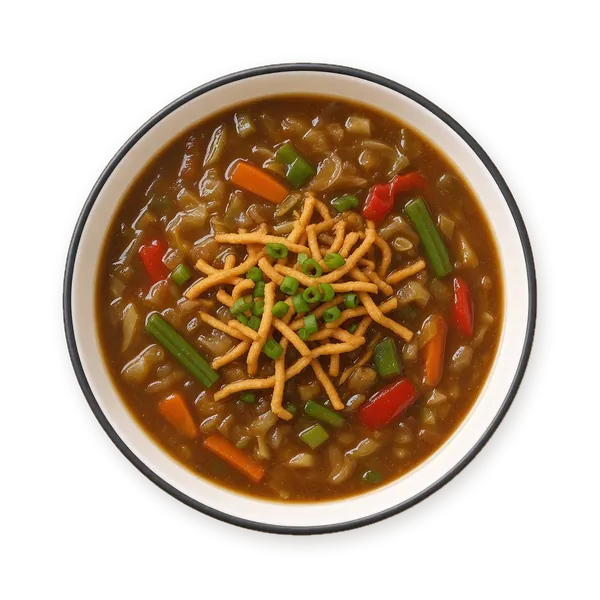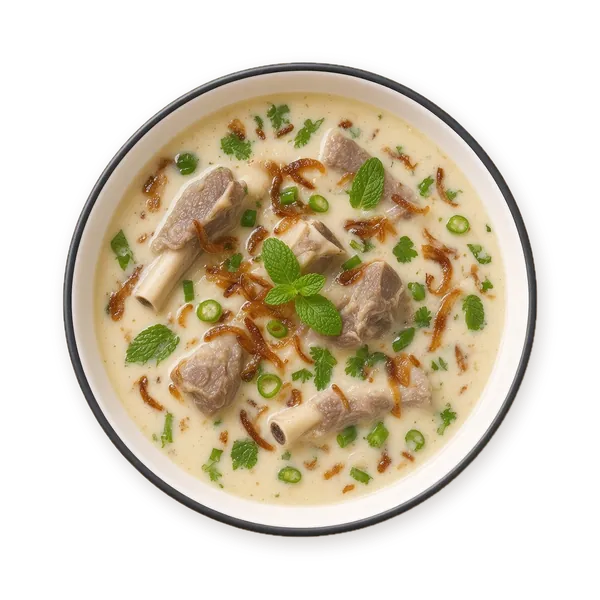
Mulligatawny (Milagu thanni (origin))
Overview
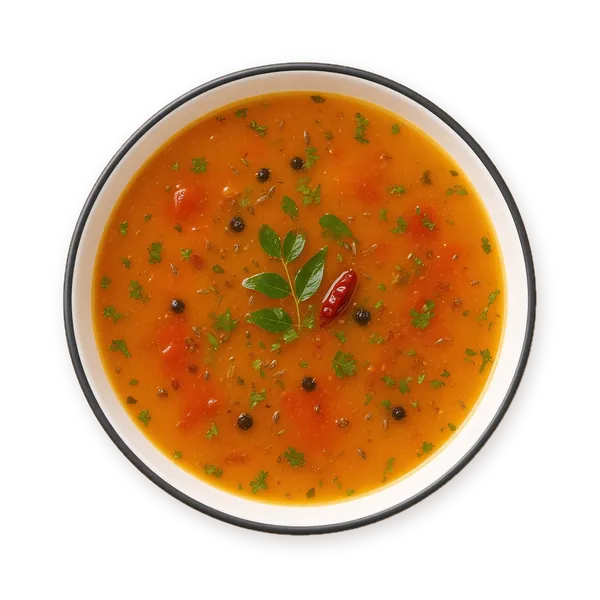
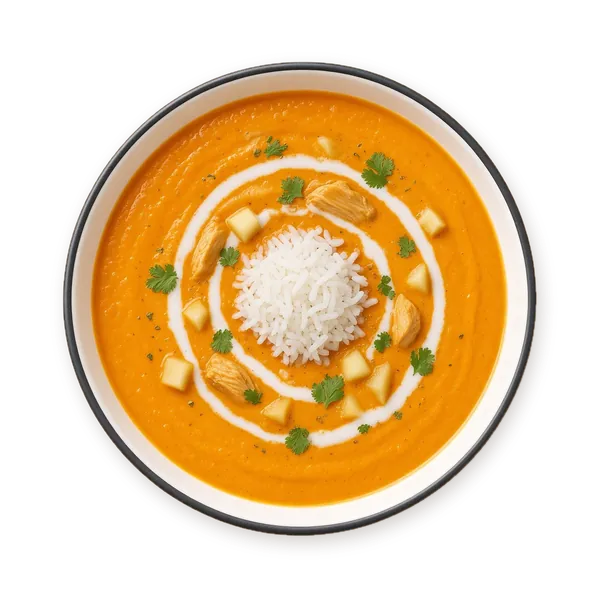
Mulligatawny is a soup with a double identity. Its name comes from the Tamil milagu thanni, meaning 'pepper water', a thin, peppery broth from South India. In the kitchens of British India it was transformed into a richer curried soup of chicken or lamb, lentils, onion and spices, often with a little apple for sweetness and coconut milk or cream to soften the heat. The soup travelled back to Britain in the eighteenth and nineteenth centuries, where it became a staple of Victorian dining rooms and later of tinned soup ranges. Today recipes vary widely, from light and brothy to thick and hearty, and a spoonful of rice is often served in each bowl.
History
Mulligatawny takes its name from the Tamil words milagu and thanni, meaning pepper and water, describing a thin, spiced broth of South India. During British rule in India, cooks for British households around Madras turned this broth into a richer soup with meat, vegetables and curry spices to suit European tastes. Officials and families returning to Britain brought the recipe home, and it appeared in English cookbooks from the early nineteenth century. It is one of the best-known dishes of Anglo-Indian cuisine.
Main ingredients
Chicken, lentils, curry spices, apple, coconut milk, rice. The soup is built on spiced chicken stock and is usually served hot. Diet: contains meat; usually gluten-free.
Explore: Lentil soups · Chicken soups · Rice soups · Coconut soups · More soups from India
Recipe
Method
- 11 min
Fry the onion, garlic and ginger in oil until soft, then stir in the spices for 1 minute.
- 2
Add the chicken and cook until sealed.
- 325 min
Add the lentils, apple and stock and simmer for 25 minutes.
- 4
Stir in the coconut milk and heat through; blend partly if you prefer it thicker.
- 5
Serve with a spoon of rice and a squeeze of lemon.
- ✓
Serve. About 55 min from start to bowl.
Pictures

Sources
Description, history and recipe written by SoupWiki and checked against the sources above. Calories and times are rough estimates.