Edikang Ikong (Edikang ikong)
Overview
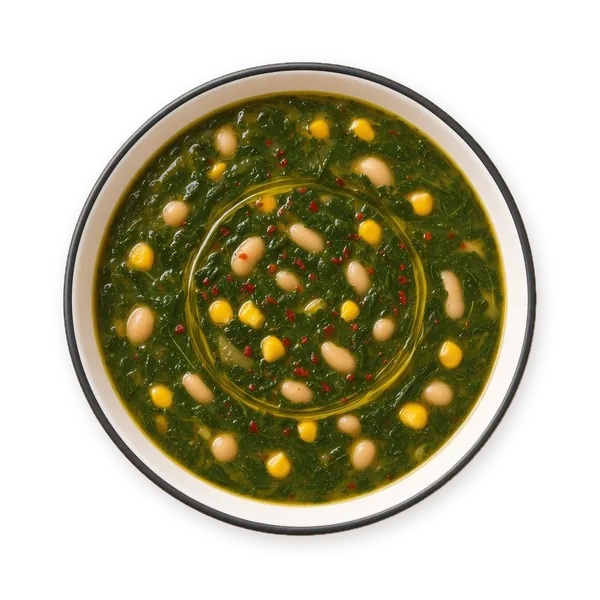
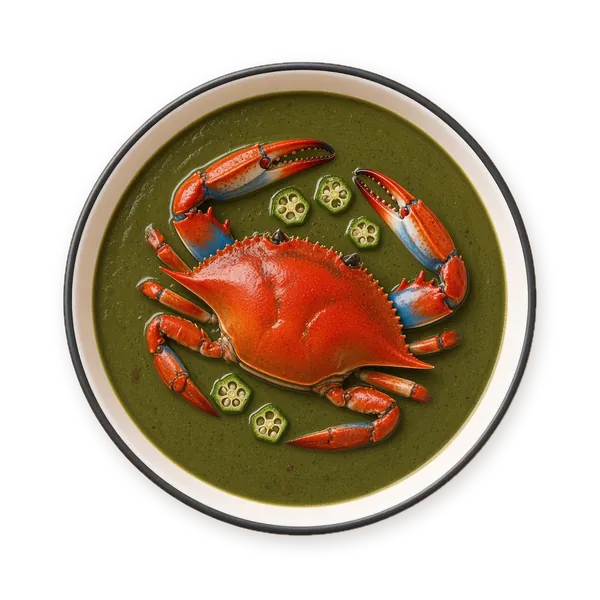
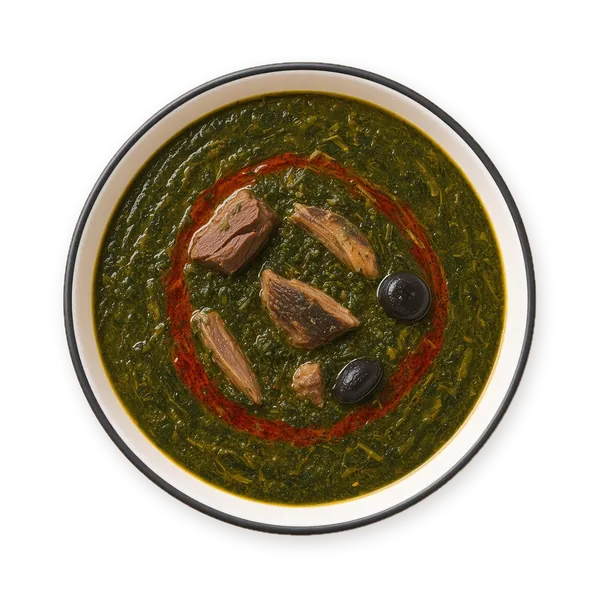
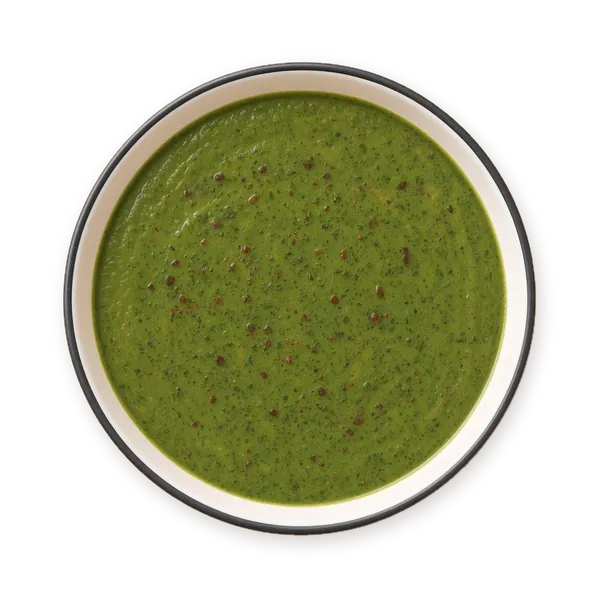
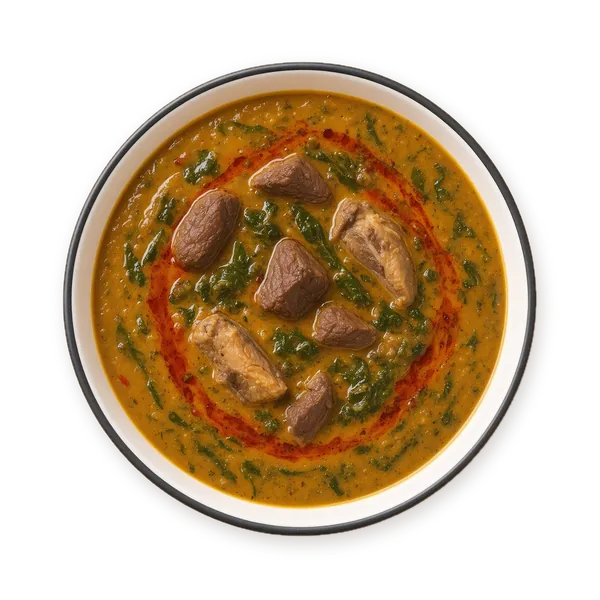
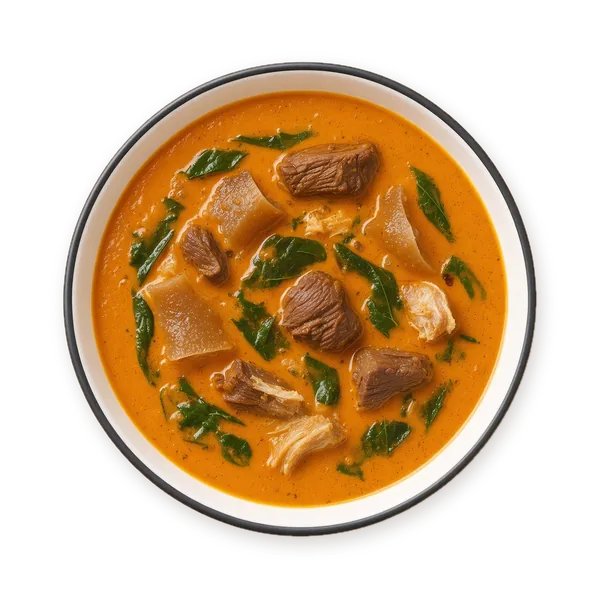
Edikang ikong is a rich vegetable soup of the Efik and Ibibio peoples of south-eastern Nigeria. Large amounts of finely sliced fluted pumpkin leaves and waterleaf cook down in a little meat stock with palm oil, ground crayfish, chilli and an assortment of beef, tripe, stockfish, dried fish and periwinkles. Waterleaf gives off its own liquid, so very little water is added, and the result is thick, deep green and full of flavour. Like most Nigerian soups it is eaten with a swallow such as fufu, eba or pounded yam.
History
The soup comes from Calabar and the wider Cross River and Akwa Ibom region, whose cooks are famous across Nigeria. The name means vegetable soup in Efik. Because it needs so many leaves and so much protein, it has a reputation as a generous dish for guests and celebrations. It is often served at weddings, festivals and other important family occasions.
Main ingredients
Fluted pumpkin leaves (ugu), waterleaf, palm oil, periwinkles, stockfish and dried fish, assorted meat. The soup is built on meat and fish stock and is usually served hot. Diet: contains meat; usually gluten-free.
Explore: Fish and seafood soups · Pumpkin and squash soups · More soups from Nigeria
Recipe outline serves 4 · ~75 min
Ingredients
- 1 kg beef and tripe, seasoned and boiled
- 300 g stockfish and dried fish, soaked
- 200 g periwinkles, shelled
- 600 g fluted pumpkin leaves, finely sliced
- 400 g waterleaf, chopped
- 200 ml palm oil
- 3 tbsp ground crayfish, 2 scotch bonnets, salt and stock cube
Allergens: Contains: Crustaceans, Fish, Molluscs. Based on the typical recipe. Recipes and products vary; always check labels if you have an allergy.
Method
- Boil the meat and stockfish with seasoning until tender, leaving only a little stock.
- Add the dried fish, periwinkles, crayfish, pepper and palm oil and simmer for 5 minutes.
- Stir in the waterleaf and cook until it wilts and releases its liquid.
- Add the pumpkin leaves, stir and cook for 3 to 5 minutes, then serve with fufu or pounded yam.
Sources
Description, history and recipe written by SoupWiki and checked against the sources above. Calories and times are rough estimates.